Discovering the Benefits of Heat Recovery Ventilation for Energy Efficiency in Residences
Heat Recovery Ventilation (HRV) systems supply house owners a sensible method to enhancing power effectiveness. By recovering warm from outbound air, these systems can considerably lower heating & cooling prices. Furthermore, they supply a consistent supply of fresh air, boosting interior air quality and comfort degrees. As property owners think about sustainable alternatives, understanding the subtleties of HRV systems ends up being significantly vital. What aspects should one examine before making such an investment?
Understanding Heat Recovery Ventilation Systems
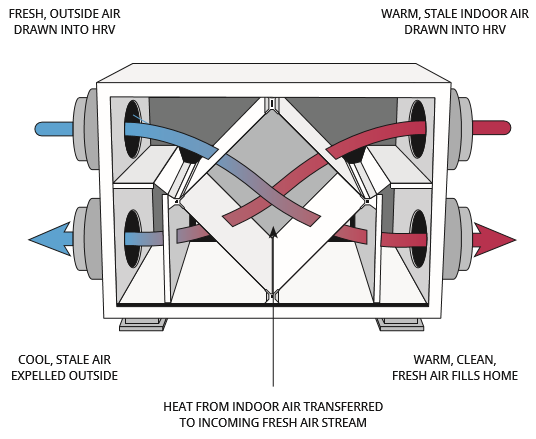
How HRV Enhances Indoor Air Quality

Power Cost Savings: The Financial Advantages of HRV
Maximizing energy efficiency, heat recovery ventilation (HRV) systems provide considerable economic advantages for house owners. By recuperating and reusing warm from exhaust air, HRVs noticeably decrease heating & cooling costs. This modern technology can cause energy financial savings of as much as 30%, depending on climate and usage patterns. Home owners typically notice lowered energy expenses shortly after installment, making HRVs a financially sensible financial investment with these details time. In addition, lots of regions provide motivations or refunds for energy-efficient upgrades, further improving the monetary appeal. As power prices continue to climb, the cost-effectiveness of HRVs ends up being significantly clear. Generally, the incorporation of HRV systems not only promotes power effectiveness but additionally adds to long-term economic savings for households.
The Ecological Effect of Heat Recovery Ventilation
A considerable ecological benefit of heat recovery ventilation (HRV) systems depends on their capacity to decrease total energy usage. By redeeming warm from exhaust air and moving it to incoming fresh air, HRV systems decrease the need for energy-intensive heating and cooling methods. This decrease in power need adds to lower greenhouse gas discharges, as much less fossil gas is needed to keep comfortable indoor temperature levels. Furthermore, HRV systems improve interior air top quality by effectively exchanging stale air with fresh exterior air, lowering reliance on mechanical cooling systems that can hurt the you can find out more setting. Overall, the execution of HRV systems supports lasting living practices and lines up with global efforts to fight environment change by promoting power performance in property setups.
Picking the Right HRV System for Your Home
How can home owners assure they choose the best heat recovery ventilation (HRV) system for their requirements? First, they must evaluate their home's dimension and format, as these aspects affect air flow demands. Next, examining the system's performance rankings is essential, as greater scores indicate far better performance and energy cost savings. Home owners should also think about installment and maintenance expenses, comparing various brand names and models for worth. Furthermore, it's crucial to evaluate noise levels, as some systems operate even more quietly than others. Consulting with cooling and heating specialists can offer tailored recommendations based upon particular home problems. Examining customer evaluations and service warranties can help in making a notified decision, making sure that the picked HRV system efficiently enhances interior air quality and energy performance.
Regularly Asked Concerns
How Typically Should I Clean or Keep My HRV System?
The frequency of cleansing or maintaining a warmth healing air flow (HRV) system typically relies on use and ecological variables. Normally, it is suggested to do upkeep every six months to ensure peak efficiency and air top quality.

Can HRV Equipments Help In Reducing Humidity Levels Indoors?
HRV systems can efficiently reduce indoor humidity degrees by exchanging stale, humid air with fresh, drier air from outdoors. HRV Heat Recovery Ventilation. This process aids preserve a balanced interior environment, enhancing comfort and avoiding moisture-related issues
What Is the Life-span of a Regular HRV System?
The lifespan of a normal heat recovery ventilation (HRV) system differs, normally lasting in between 10 to 15 years. Normal maintenance can expand its effectiveness and operational life, making sure peak efficiency throughout its usage period.
Are There Any Sound Worry About HRV Solutions?
Sound worries with HRV systems can occur, specifically from follower operation. Lots of modern units are developed to lessen audio levels, guaranteeing they run quietly while keeping performance, which addresses possible disruptions in living settings.
Can I Set Up an HRV System Myself, or Do I Need a Specialist?
The individual contemplated whether to install the heat recovery ventilation (HRV) system personally or work with a specialist. Normally, while do it yourself setup is feasible, proficiency assurances appropriate capability and conformity with neighborhood building ordinance, enhancing system performance.